
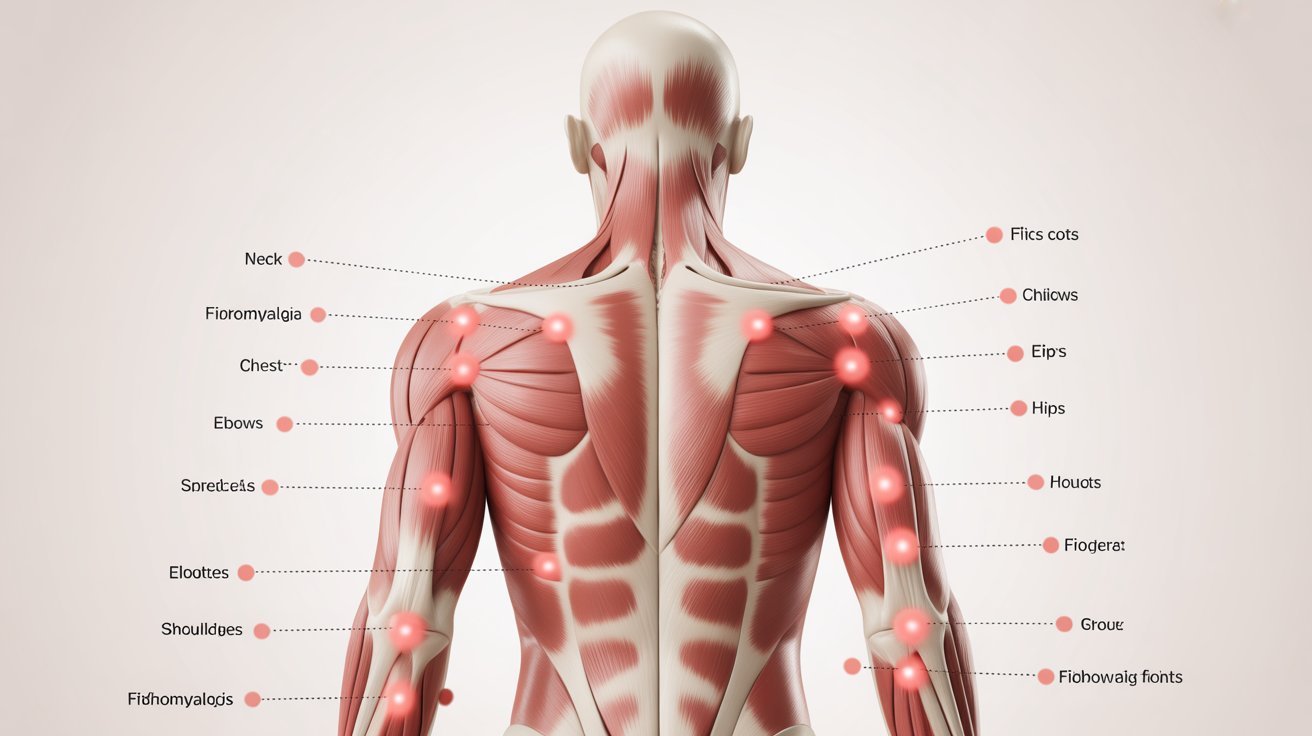
Muscle pain is something almost everyone experiences at some point in life. It can happen after physical activity, long working hours, stress, or illness. Most of the time, muscle pain is temporary and goes away on its own. However, there are situations where muscle discomfort feels deeper, longer lasting, or harder to explain. One term that appears in discussions about muscle pain is inomyalgia.
Many people search for inomyalgia because the word sounds medical and unfamiliar. They want to understand what it means, how it feels, and whether it is serious. This article explains inomyalgia in simple, clear language so even a beginner can understand it without confusion or fear.
This guide is for educational awareness only. It does not replace professional medical advice.
What Is Inomyalgia
Inomyalgia refers to muscle pain or discomfort that involves deeper muscle tissue. The word itself comes from medical terminology where “ino” relates to muscle fibers and “myalgia” refers to muscle pain.
In simple terms, inomyalgia describes a type of muscular pain that may feel deeper, more persistent, or more uncomfortable than typical soreness after exercise.
From personal observation and shared experiences, people often describe this kind of discomfort as dull, aching, or tight rather than sharp. It may not always be linked to heavy activity, which can make it confusing.
Understanding the Term Inomyalgia
Breaking down the word helps make it easier to understand. “Myo” refers to muscle, and “algia” means pain. The added prefix points toward involvement of muscle structure itself.
This does not automatically mean damage or disease. It simply describes where the discomfort is felt. Many medical terms are descriptive rather than diagnostic.
Understanding this can reduce anxiety. A medical sounding word does not always mean something dangerous.
Medical Background and Explanation
Inomyalgia is not commonly used in everyday conversations. It appears more often in academic or descriptive contexts related to muscle pain.
Muscles are complex tissues made of fibers, nerves, and blood supply. When these structures become stressed, inflamed, or overstimulated, discomfort can occur.
This discomfort may result from posture issues, repetitive movement, emotional stress, or physical strain. The body often signals imbalance through muscle pain.
How Inomyalgia Is Different From Regular Muscle Pain
Regular muscle pain often appears after exercise or physical effort. It usually improves with rest and hydration.
Inomyalgia may feel different. People sometimes report deeper discomfort that does not clearly connect to recent physical activity. It may appear gradually and linger longer.
This difference does not mean it is more serious. It simply reflects a different pattern of muscle response.
Common Causes and Risk Factors
Many factors can contribute to deeper muscle discomfort. Poor posture is one of the most common. Sitting for long hours can strain muscles without noticeable effort.
Stress also plays a major role. Emotional tension can cause muscles to tighten unconsciously. Over time, this tension leads to pain.
Other contributing factors include dehydration, lack of movement, repetitive tasks, and insufficient recovery after activity.
Also Read: Blazertje: Modern Fashion Guide for Beginners
Symptoms People Commonly Report
People describe symptoms in different ways. Some feel a constant dull ache. Others notice stiffness or heaviness in certain muscle groups.
The discomfort may increase during stress or fatigue. Some people feel relief after gentle movement or stretching.
It is important to remember that symptoms vary widely. No two bodies respond the same way.
How Inomyalgia Can Affect Daily Life
Persistent muscle discomfort can affect focus, sleep, and mood. When muscles feel tight or sore, even simple tasks may feel harder.
People may avoid movement due to fear of worsening the pain. This can lead to reduced activity and increased stiffness.
From shared experiences, many people say that understanding their body helped them manage daily routines more calmly.
Inomyalgia vs Myalgia
Myalgia is a broad term that means muscle pain. Inomyalgia can be seen as a more specific description focusing on muscle tissue involvement.
Both terms describe discomfort rather than disease. The difference lies mainly in terminology, not severity.
Understanding this distinction helps avoid unnecessary worry.
The Role of Stress and Lifestyle
Stress affects the body in many ways. Muscle tension is one of the most common physical responses to emotional pressure.
Poor sleep, irregular meals, and lack of movement can worsen muscle discomfort. Lifestyle balance plays a key role in muscle health.
From experience, small daily changes like short walks or breathing exercises often improve overall comfort.
Awareness and General Self Care Principles
Awareness is the first step. Paying attention to posture, movement, and stress levels helps identify triggers.
Gentle stretching, hydration, and regular movement support muscle health. Rest is equally important.
Self care does not mean ignoring discomfort. It means listening to the body and responding calmly.
When to Talk to a Healthcare Professional
If muscle discomfort is severe, persistent, or worsening, it is important to seek professional advice.
A healthcare provider can evaluate symptoms properly and rule out underlying conditions.
Early communication helps prevent unnecessary stress and confusion.
Living With Ongoing Muscle Discomfort
Living with recurring muscle pain can be frustrating. Acceptance does not mean giving up. It means understanding limits and adapting routines.
Many people learn to manage discomfort through awareness, pacing, and lifestyle adjustments.
Support and information make a big difference in long term comfort.
Common Myths About Inomyalgia
One common myth is that deeper muscle pain always means serious illness. This is not true.
Another myth is that rest alone solves everything. Balanced movement is often just as important.
Education helps replace fear with understanding.
Why Muscle Health Matters
Muscles support movement, posture, and circulation. Keeping them healthy improves overall well being.
Muscle discomfort is a signal, not an enemy. Listening to it helps maintain balance.
Healthy muscles support a healthier life.
Future Outlook and Awareness
Research on muscle pain continues to grow. Awareness helps people recognize patterns and seek help when needed.
Clear information reduces fear and promotes healthier responses to discomfort.
Understanding muscle pain is an ongoing journey.
Conclusion
Inomyalgia is a term used to describe deeper muscle discomfort. While the word may sound intimidating, it simply refers to how muscle pain is experienced.
Understanding the body, maintaining balance, and seeking help when needed are key steps. Awareness turns confusion into clarity and fear into calm understanding.
Frequently Asked Questions
What is inomyalgia
It is a term used to describe deeper muscle pain or discomfort.
Is inomyalgia a disease
No. It is a descriptive term, not a diagnosis.
Is muscle pain always serious
No. Many cases are related to lifestyle, stress, or posture.
When should I seek medical advice
If pain is persistent, severe, or unexplained, consult a healthcare professional.