
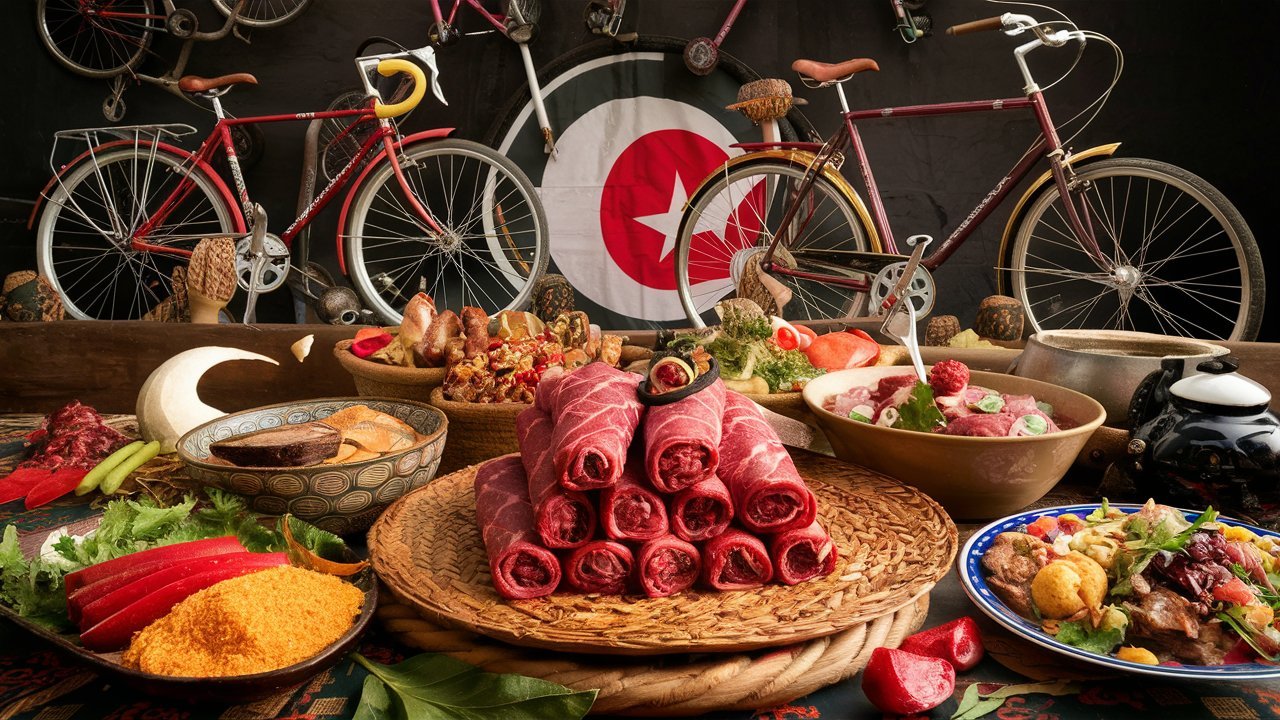
Let me take you back to that unforgettable evening in Istanbul three summers ago. I’d wandered into a small family restaurant tucked down a cobblestone alley, the kind of place locals fill but tourists rarely find. The air smelled of warm spices and slow-simmered richness. When the owner brought out the evening special, he called it çievri with such pride that I had to try it.
One bite, and I was hooked. Creamy textures, layered flavors, ingredients that somehow harmonized perfectly without overpowering each other. But more than the taste, it was the story behind it – hours of patient preparation, family recipes passed through generations, the way it brought strangers at neighboring tables into easy conversation. That night changed how I think about food.
As someone who’s traveled extensively through Turkey and collected food memories like treasures (my kitchen shelf holds spices from every corner of Anatolia), çievri stayed with me. Later research revealed it’s more than a dish. The word carries deep cultural weight, touching on cycles, balance, transformation. In this guide, I’ll share everything I’ve learned from that first taste through years of exploration, kitchen experiments, and conversations with Turkish friends. Whether you’re a food lover, culture curious, or just seeking life’s deeper lessons, çievri offers wisdom worth savoring.
The Linguistic Heart of Çievri
Çievri immediately stands out with its unusual ç and evri sounds. Linguistically, many connect it to Turkish “çeviri,” meaning translation or turning, hinting at transformation. Others see “çev” roots suggesting surroundings, cycles, environment. The word feels alive, circular, suggesting movement and return.
In Turkish, language often carries layered meanings. Single words hold stories, philosophies, entire worldviews. Çievri fits this pattern perfectly. Pronounce it with soft ç (like “ch” in church), flowing evri suggests gentle rotation. Native speakers say it rolls naturally, evoking comfort, familiarity.
For English speakers, the spelling creates instant intrigue. That cedilla ç pulls you in, hinting Eastern sophistication without pretension. During my language exchanges in Ankara, friends explained çievri resists simple translation. Like Japanese “wabi-sabi” or German “Gemütlichkeit,” it carries cultural weight dictionaries can’t capture. This depth makes every conversation about it rewarding.
Çievri as Sacred Culinary Tradition
At its most tangible, çievri lives through food. Imagine a wide clay pot over low coals, filled with carefully layered ingredients that transform slowly through hours of patient cooking. Fresh vegetables form the base, absorbing flavors from aromatic spices, tender meats or legumes, rich natural fats. No rush, no shortcuts – just time allowing harmony to emerge.
Traditional preparation follows seasonal rhythms. Spring brings fresh greens, summer offers ripe tomatoes and herbs, autumn contributes hearty roots. Families gathered around, each contributing: grandmother seasoning intuitively, children chopping steadily, conversation flowing easily. This communal labor created bonds stronger than the food itself.
I tried recreating it during a Turkish cooking class in Izmir. Our teacher, a grandmother with hands stained from decades of spices, emphasized patience above all. “Çievri teaches waiting,” she said. “Good things circle back slowly.” Four hours later, our pot revealed magic: flavors melded perfectly, textures balanced, aroma enveloping the room. That lesson stayed with me longer than the recipe.
Modern restaurants adapt respectfully. Some use pressure cookers for time constraints while preserving slow essence. Others elevate presentation while honoring roots. Through all changes, çievri remains teacher of quality, intention, meaningful creation.
The Ingredients That Make Çievri Sing
Çievri’s power lies in thoughtful ingredient balance. No single star dominates; harmony rules. Core elements include:
Seasonal vegetables form gentle base, providing natural sweetness and earthiness. Eggplant, zucchini, peppers rotate seasonally, each contributing unique character.
Aromatic foundations – onions slowly caramelized, garlic bloomed gently, tomatoes reduced to concentrated richness. These build depth patiently.
Protein anchors vary regionally: tender lamb shoulder melting into sauce, chickpeas offering earthy comfort, lentils providing substance. Each absorbs surrounding flavors completely.
Spice poetry weaves magic: cumin warming gently, mint freshening unexpectedly, sumac adding tart brightness, paprika smoking subtly. Turkish culinary genius lies in restraint – each spice supports, never overwhelms.
Natural fats – olive oil, butter, or rendered lamb fat – carry flavors, create silkiness. Generosity here transforms good dishes into transcendent ones.
Slow liquid – homemade stock, strained tomato water, or water infused with vegetable essence – allows gentle extraction without dilution.
From my kitchen experiments, perfect çievri requires trusting process over perfectionism. Measure loosely, taste constantly, adjust intuitively. Results reward faith in tradition’s wisdom.
Çievri’s Deeper Philosophical Meaning
Beyond kitchen, çievri embodies life’s circular wisdom. Turkish culture reveres cycles: seasons turning, day following night, effort yielding gradual harvest. The word suggests continuous transformation – raw ingredients becoming nourishing whole, individual efforts creating communal memory.
Philosophically, çievri teaches balance. No ingredient dominates; harmony emerges through mutual support. Life works similarly: personal growth requires community, individual effort needs collective context. Rushing destroys balance; patience reveals beauty.
During pandemic isolation, I returned to çievri cooking weekly. Each pot became meditation – chopping mindfully, stirring rhythmically, waiting trustingly. Flavors deepened as patience grew. This mirrored personal cycles: struggle yielding growth, isolation fostering reflection.
Startup founders find similar lessons. Founders I coach embrace çievri thinking: build patiently, balance innovation with fundamentals, trust gradual compounding. Sustainable businesses mirror perfect çievri pots – layered complexity from simple, harmonious elements.
Cultural Rituals That Surround Çievri
Çievri transcends recipe, becoming ritual. Families gathered Sunday afternoons, youngest peeling vegetables, elders supervising fire. Stories flowed with steam, laughter mingling with savory aromas. Special occasions demanded elaborate versions; everyday meals found comfort in familiarity.
Regional variations add richness. Black Sea çievri leans toward fish, Aegean embraces seafood and wild greens, Central Anatolia favors hearty meats. Each adaptation honors core while expressing local character – perfect cultural metaphor.
Weddings featured massive communal pots, symbolizing shared future. Harvest festivals celebrated abundance through çievri feasts. These rituals strengthened identity, passing wisdom silently through generations.
Modern diaspora preserves tradition creatively. Chicago Turkish community hosts çievri nights, blending American ingredients while honoring roots. London restaurants elevate presentation while preserving soul. Global adaptation proves çievri’s timeless universality.
Read Also: Cñims
Çievri in Modern Restaurants and Homes
Contemporary chefs reinterpret respectfully. Molecular gastronomy foams capture essence, sous-vide maintains texture perfection, presentation elevates humble beauty. Core philosophy remains: patience, balance, quality.
Home cooks find accessibility through slow cookers, instant pots mimicking traditional patience. Weekly meal prep embraces çievri principles: layer ingredients thoughtfully, set timer, trust transformation. Perfect for busy professionals seeking nourishment without complexity.
My current rotation includes vegetarian Monday çievri (eggplant, chickpeas, preserved lemon), meaty weekend versions (lamb, quince, chestnuts). Each adaptation honors tradition while fitting modern life. Flexibility proves çievri’s enduring wisdom.
Lessons Entrepreneurs Learn from Çievri Cooking
Founders discover surprising parallels. Startup journeys mirror slow cooking: early ingredients (team, product, market) require careful selection. Medium heat (execution, iteration) transforms gradually. Perfect timing yields sustainable growth.
Çievri teaches cutting corners destroys harmony. Rushing product launch burns flavors; skipping team alignment creates discord. Patience compounds: early quality decisions pay dividends through scaling.
Balance proves equally vital. Overemphasizing growth neglects culture; product obsession ignores market needs. Successful founders stir gently, taste constantly, adjust intuitively – classic çievri mastery.
My coaching emphasizes this philosophy. Founders cooking çievri together build intuition for business harmony. Shared pots create trust faster than slide decks. Food wisdom transcends boardrooms.
Çievri’s Global Appeal and Adaptations
Western chefs discover çievri through Turkish restaurants, farmers markets, cooking classes. Health-conscious eaters embrace vegetable-forward versions. Mediterranean diet alignment boosts popularity.
Fusion creations emerge naturally. Mexican-Turkish çievri blends chipotle with sumac; Moroccan versions incorporate preserved lemon, harissa. Each adaptation honors slow philosophy while expressing local voice.
Global food trends favor authenticity, storytelling, experience. Çievri delivers perfectly: rich heritage, communal joy, visual beauty, complex flavor. Instagram captures steaming pots; TikTok shows patient stirring. Viral potential meets timeless appeal.
Preserving Çievri for Future Generations
Urbanization threatens traditional cooking. Younger generations prioritize convenience over ritual. Families preserve through storytelling, shared kitchens, cultural festivals. Cooking classes teach millennials mindful preparation.
Digital preservation thrives too. Recipe sites document regional variations. YouTube channels demonstrate techniques. Social media captures family stories around steaming pots. Multi-channel approach ensures survival.
Schools incorporate çievri into cultural curriculum. Community centers host cooking nights. These efforts weave tradition into modern fabric, ensuring çievri’s wisdom endures.
Modern Variations and Creative Twists
Chefs experiment thoughtfully. Vegetarian çievri stars seasonal mushrooms, roasted cauliflower, truffle essence. Seafood versions highlight Aegean prawns, octopus, fennel. Vegan adaptations use coconut milk, hearty grains.
Molecular gastronomy captures essence through foams, gels, surprising textures. Presentation elevates humble beauty onto fine dining plates. Core remains unchanged: patience, balance, harmony.
My favorite twist: breakfast çievri with eggs poached in spiced tomato broth, served over thick yogurt. Comforting twist honors tradition while surprising taste buds. Creativity thrives within boundaries.
Why Çievri Resonates Universally
Çievri transcends culture through universal appeal. Everyone understands slow reward, communal joy, flavor harmony. Urban professionals crave ritual amidst chaos. Families seek connection through shared preparation. Foodies chase authentic depth.
Philosophically, cyclical wisdom speaks broadly. Westerners discover Eastern patience. Tech workers learn balance amid acceleration. Universal hunger for meaning finds satisfaction in çievri’s lessons.
Globalization spreads wisdom organically. Turkish restaurants worldwide introduce flavors. Travel vloggers capture rituals. Diaspora communities preserve fiercely. Cross-cultural exchange enriches everyone.
Conclusion
Çievri weaves food, philosophy, culture into timeless tapestry. Slow preparation teaches patience’s rewards. Layered flavors demonstrate harmony’s power. Communal rituals strengthen human bonds. Cyclical wisdom guides life’s turning seasons.
From Istanbul kitchens to global tables, çievri proves tradition’s enduring relevance. Modern life accelerates, but deepest satisfaction arrives slowly, patiently, meaningfully. Next family gathering, build your own pot. Let flavors teach wisdom words never capture. One taste transforms understanding forever.
FAQ
What does çievri literally mean?
Çievri connects to Turkish “çeviri” (translation/turning) suggesting transformation. More importantly, it names cherished culinary tradition embodying patience, balance, cyclical wisdom.
How do you make traditional çievri?
Layer seasonal vegetables, proteins, spices in wide pot. Cook slowly over low heat 3-6 hours. Patience extracts deepest flavors through gentle transformation.
What makes çievri culturally significant?
Communal preparation strengthens family bonds. Seasonal ingredients honor nature’s cycles. Slow cooking teaches life’s patient rewards. Ritual transcends generations.
Can çievri be made vegetarian?
Absolutely. Eggplant, zucchini, chickpeas, lentils create rich harmony. Seasonal mushrooms add meaty depth. Core philosophy remains unchanged.
Why do modern chefs love çievri?
Combines authenticity with creative freedom. Honors tradition while allowing personal expression. Visual beauty, complex flavor satisfy demanding palates.