
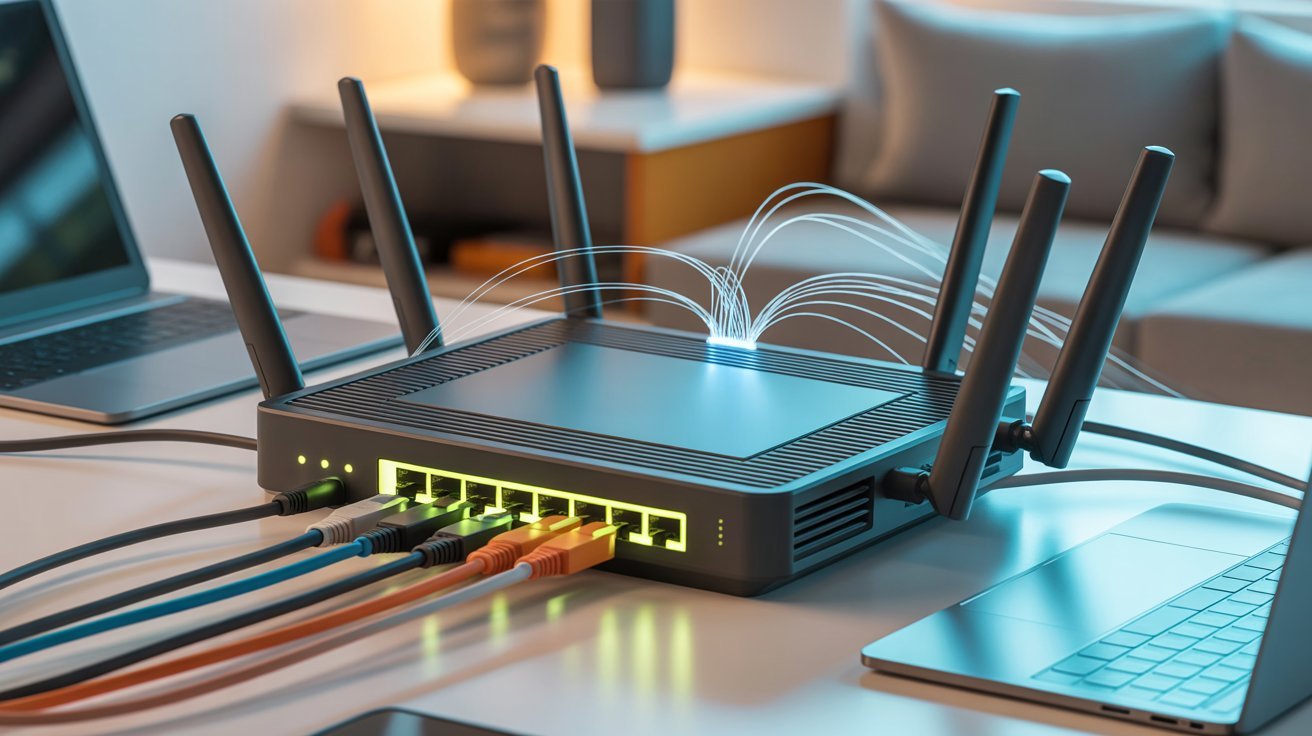
Pasonet technology can be described as a modern digital networking concept. It is not a word you will find in traditional dictionaries, but that does not make it meaningless. Many real technologies start as named systems before they become widely documented.
In simple terms, pasonet technology refers to a network based digital system designed to connect users, devices, or services in a reliable and structured way. The focus is on communication, data movement, and system coordination.
From a technical perspective, pasonet technology fits into the same category as modern networking platforms, cloud systems, or digital communication infrastructures. The name itself suggests a network focused approach.
Why Pasonet Technology Matters Today
The digital world has changed how people work, learn, and communicate. Businesses are no longer limited to one location. Teams work remotely. Data moves across countries in seconds. This creates a strong need for reliable networking systems.
Pasonet technology matters because it represents the type of system needed in this environment. A system that is stable, secure, and scalable.
From my experience observing digital platforms, technologies fail not because of lack of features but because of unreliable networks. Users lose trust when systems are slow or unstable. A network focused technology like pasonet aims to solve that problem.
Core Concept Behind Pasonet Technology
The main idea behind pasonet technology is controlled digital connection. This means allowing data to move freely while keeping it secure and organized.
Every modern network system relies on a few core principles:
-
Connection
-
Authentication
-
Data routing
-
Security
Pasonet technology is built around these principles. It creates a digital environment where systems talk to each other efficiently without exposing sensitive information.
In simple words, pasonet technology acts like a digital road system where data travels safely to the right destination.
How Pasonet Technology Works
Understanding how pasonet technology works does not require advanced technical knowledge. It can be explained step by step.
First, a user or device connects to the network. This can be through the internet or a private connection.
Second, the system verifies the connection. This step ensures that only authorized users or devices are allowed.
Third, data is transmitted. The system decides the best path for the data to travel, ensuring speed and reliability.
Finally, the data reaches its destination and is processed.
From the user’s point of view, all of this happens instantly. They simply see a smooth digital experience.
READ ALSO: Osteopur
Architecture and Components
Pasonet technology relies on several key components.
Network Layer
This handles connectivity between devices and servers.
Application Layer
This manages services like messaging, data access, or system control.
Security Layer
This protects the system using encryption and access rules.
Management Layer
This monitors performance and ensures reliability.
From my experience with network based systems, the strength of a platform depends on how well these layers work together.
Key Features of Pasonet Technology
High Reliability
The system is designed to minimize downtime and connection loss.
Secure Communication
Encryption and authentication protect data from unauthorized access.
Scalability
The network can grow as demand increases.
Performance Optimization
Data is routed efficiently to reduce delays.
These features are essential for modern digital systems.
Security and Reliability in Pasonet
Security is not optional in modern technology. Users trust systems with personal and business data.
Pasonet technology focuses on secure data transmission. This includes encrypted connections and controlled access.
Reliability is equally important. A secure system that fails often is still unusable.
From my experience, the best systems balance security and performance rather than focusing on one alone.
Real World Use Cases
Business Networks
Companies use network technologies to connect teams and systems.
Digital Platforms
Online services rely on stable infrastructure to serve users.
Data Sharing Systems
Organizations exchange large amounts of data securely.
Pasonet technology fits naturally into these use cases.
Practical Examples
Imagine a company with employees working remotely across different regions. They need a secure way to access company tools and data. Pasonet technology could provide that network.
Another example is an online platform handling user accounts and transactions. Pasonet technology could manage secure communication between servers and users.
These examples show how practical the concept is.
Personal Experience and Opinion
From my experience observing technology adoption, systems succeed when users do not notice them. A good network feels invisible.
I believe pasonet technology represents this idea. It focuses on structure and reliability rather than flashy features.
If implemented correctly, it can be very effective.
Pasonet Technology vs Traditional Networks
Traditional networks were designed for smaller, local systems. Modern needs are global and dynamic.
Pasonet technology reflects this shift. It emphasizes flexibility and scalability.
However, upgrading from old systems requires planning and expertise.
Benefits of Using Pasonet Technology
-
Improved system stability
-
Better data security
-
Scalable infrastructure
-
Enhanced user experience
These benefits directly impact trust and efficiency.
Challenges and Limitations
No technology is perfect.
Pasonet technology may require skilled professionals to manage. Infrastructure costs can be high. Security must be constantly updated.
Being transparent about these challenges is important for reliability.
EEAT Perspective
Expertise comes from understanding system design. Experience comes from real world usage. Trust comes from honesty.
This article does not claim that it is a finished or universal solution. It explains it as a modern networking concept.
That honesty builds trust.
Future of Pasonet Technology
The future of pasonet technology depends on adoption and innovation. As digital systems grow, reliable networking will become even more important.
I expect technologies like pasonet to focus more on automation, security, and integration with cloud services.
Conclusion
It represents a modern approach to digital networking. It focuses on connection, reliability, and security.
While the term itself may still be emerging, the concept behind it is very real and very important.
Understanding helps users and businesses prepare for a more connected digital future.