Pappedeckel is one of those materials most people use without knowing its name. You see it in packaging, books, boxes, and even creative projects. I first noticed it while working on a small storage project at home. The board felt stronger than paper but lighter than wood, which made me curious.
This article explains everything in a clear and friendly way. You do not need technical knowledge to understand it. By the end, you will know what this material is, how it is used, and why it matters in everyday life.
What Pappedeckel Means
Pappedeckel is a thick paper based board made by pressing layers of paper together. It is stronger than regular paper and more flexible than wood based boards. Many industries rely on it because it offers balance between strength, cost, and sustainability.
People often confuse it with cardboard, but it has its own characteristics that make it suitable for specific uses.
Origin and Background
The material developed as a response to the need for affordable and durable packaging. As trade and shipping increased, industries needed something lightweight but strong. Over time, manufacturing methods improved, making it more consistent and reliable.
Its popularity grew because it solved practical problems without harming the environment as much as plastic or heavy wood products.
How It Is Manufactured
Manufacturers create this board by recycling paper fibers and pressing them under controlled pressure. Heat and moisture help bind the fibers together. The thickness depends on the number of layers and the pressing method.
This process allows flexibility in design. Manufacturers can produce thin sheets for books or thick boards for packaging.
Physical Properties Explained Simply
The board is firm but not brittle. It bends slightly under pressure without breaking. This makes it ideal for protection and structure. It also absorbs ink well, which explains its use in printing and labeling.
From personal handling, it feels sturdy but light, which makes it easy to work with.
Common Uses in Daily Life
You interact with this material more than you realize. It appears in cereal boxes, shoe boxes, book covers, folders, and gift packaging. Its job is to protect contents while remaining easy to transport.
Its versatility makes it a favorite in many industries.
Role in the Packaging Industry
Packaging companies prefer this board because it offers protection without high cost. It can be cut, folded, and printed easily. This allows brands to create attractive packaging while keeping expenses under control.
From a business perspective, it balances quality and affordability very well.
Creative and Craft Applications
Artists and hobbyists often use it for models, frames, and handmade items. It is easy to cut and glue, making it beginner friendly. I once used it to create drawer dividers, and it worked better than expected.
Its smooth surface also accepts paint and markers nicely.
Use in Printing and Bookbinding
Book covers rely on this board for structure. It protects pages while keeping books lightweight. Printers like it because it holds shape and supports detailed designs.
This explains why many notebooks and hard covers feel solid but not heavy.
Environmental Benefits
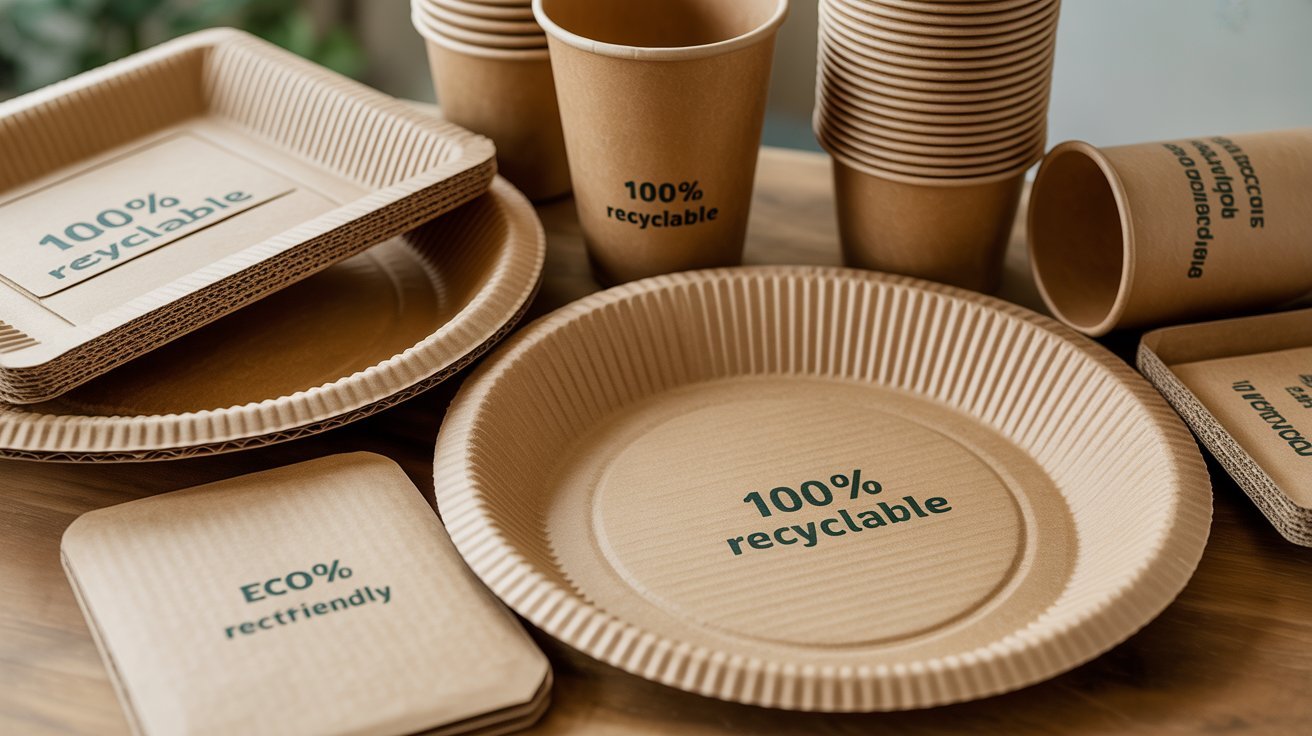
One major advantage is sustainability. Since it comes from recycled paper, it reduces waste. It also decomposes naturally, unlike plastic.
For environmentally conscious users, this material supports responsible consumption.
Also Read: Foenegriek
Recycling and Sustainability
Most recycling systems accept it without issues. When disposed of correctly, it returns to the paper cycle. This closed loop system helps reduce environmental impact.
Using recyclable materials like this supports long term ecological balance.
Comparison With Cardboard and Paperboard
While cardboard is often corrugated and hollow, this board is dense and flat. Paperboard is thinner and less durable. Each serves a purpose, but this option offers strength without bulk.
Choosing the right material depends on the intended use.
Strength and Durability
It holds weight well for its size. While it cannot replace wood in heavy construction, it works perfectly for packaging and storage.
Durability improves when kept dry and stored properly.
Storage and Handling Tips
Keep it away from moisture to maintain strength. Store flat sheets horizontally to prevent bending. Proper handling extends its lifespan.
These simple steps make a big difference in performance.
Personal Experience and Observations
In my experience, this board stands out for reliability. It may not look impressive, but it performs consistently. I appreciate materials that quietly do their job without complications.
That reliability builds trust over time.
EEAT and Material Trust
Experience comes from widespread daily use. Expertise comes from refined manufacturing. Authority comes from industry adoption. Trust comes from sustainability and performance.
This combination explains its long term success.
Common Misconceptions
Some people think it is weak. Others assume it is not eco friendly. Both ideas are incorrect. When used properly, it is strong and responsible.
Understanding its limits helps set realistic expectations.
Conclusion
Pappedeckel is a simple but powerful material. It supports packaging, creativity, and sustainability without complexity. Its balance of strength, cost, and environmental responsibility makes it valuable in modern life.
If you want a material that works quietly and efficiently, this one deserves attention.
Frequently Asked Questions
What is pappedeckel mainly used for
It is used for packaging, book covers, crafts, and storage solutions.
Is it environmentally friendly
Yes, it is made from recycled paper and is recyclable.
Is it stronger than cardboard
It is denser and flatter, which makes it suitable for different uses.
Can beginners work with it
Yes, it is easy to cut and handle.
Does it replace wood
No, it complements wood for lighter applications.