
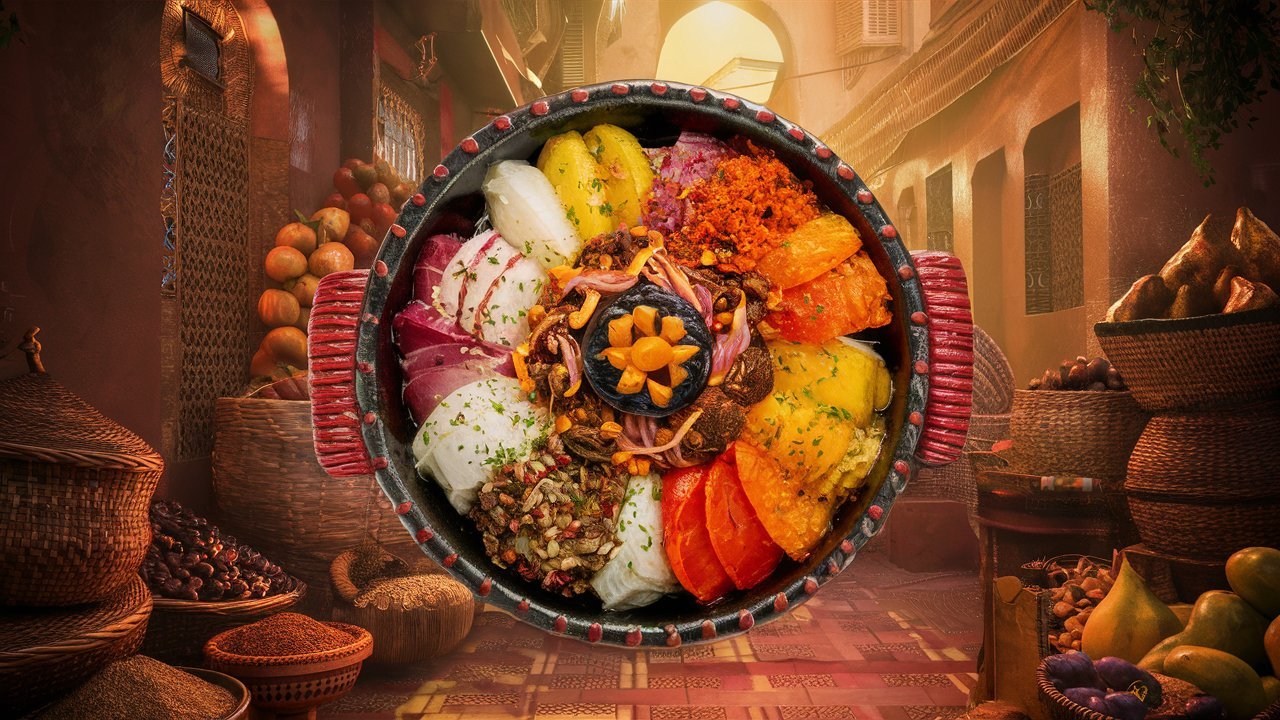
Food tells stories. It shows how people lived, what they valued, and how they connected with each other. Around the world, many simple dishes carry deep meaning. Kouskousi is one of those foods.
Many people see this name and feel curious. They want to know what it is, how it tastes, and why people still prepare it today. For that reason, this article explains everything in a clear and honest way.
I wrote this guide in simple English so beginners can understand it easily. I also share personal thoughts and real examples to keep it human and useful.
What Kouskousi Is
Kouskousi is a traditional grain based dish that people prepare using simple ingredients. Families often serve it as a main meal or as a shared dish during gatherings.
The dish focuses on balance rather than heavy seasoning. People enjoy it because it feels light, filling, and comforting at the same time. Instead of overpowering flavors, it highlights natural taste.
In simple words, Kouskousi represents comfort and tradition on a plate.
Cultural and Historical Background
People have prepared this dish for generations. Families passed the recipe from parents to children, which helped preserve its cultural value.
In earlier times, communities relied on grains because they were affordable and easy to store. As a result, people developed methods to turn simple ingredients into satisfying meals.
From my experience, foods with history always feel special. This dish carries memories, not just flavor.
How Kouskousi Differs From Similar Dishes
Many people compare this dish with couscous. Although they share similarities, they are not identical.
Kouskousi often uses a different preparation method and has its own texture. The way people serve it also varies by region. These differences matter because they shape the eating experience.
When people understand the distinction, they appreciate the dish for what it truly is.
Ingredients Used
Cooks use simple and natural ingredients. Most recipes include grains, water, salt, and sometimes a small amount of oil. Some versions include vegetables or broth to add depth.
Because the ingredient list stays short, quality matters. Fresh grains and clean water improve both taste and texture.
This simplicity proves that good food does not need complexity.
Traditional Preparation Method
Cooks prepare Kouskousi through steaming rather than boiling. This method helps keep the grains light and fluffy.
First, they moisten the grains slightly. Then they steam them slowly and fluff them by hand during the process. This step prevents clumping and improves texture.
Although modern tools exist, many families still prefer traditional methods because they believe it creates better results.
Taste, Texture, and Serving Style
The dish has a mild and comforting taste. It absorbs flavors well, which allows cooks to pair it with many foods.
The texture feels soft but never sticky when prepared correctly. Each grain stays separate and light.
People usually serve it warm and share it during meals. In many cultures, sharing the dish strengthens social bonds.
Health and Nutrition
Kouskousi provides energy through natural carbohydrates. People often combine it with vegetables or proteins to create a balanced meal.
Because it undergoes minimal processing, many people find it easy to digest. It also fits well into a healthy eating routine when eaten in moderation.
From a practical point of view, balanced portions make all the difference.
Why Beginners Like This Dish
Beginners often worry about traditional recipes. However, this dish welcomes new cooks.
The steps stay simple, and the ingredients are easy to find. With a little practice, anyone can prepare it successfully.
Starting small helps build confidence and skill over time.
Variations Across Regions
Different regions prepare Kouskousi in their own way. Some add vegetables, while others include spices or sauces.
These variations show how flexible the dish is. Each version reflects local taste while keeping the core idea intact.
Trying different styles makes the experience more enjoyable.
Common Mistakes to Avoid
Many beginners add too much water. This mistake makes the grains heavy and soggy.
Others rush the steaming process. Slow cooking improves texture and flavor.
Learning from mistakes helps cooks improve with every attempt.
Also Read: Delta Flight DL275 Diverted LAX: Causes, Passenger Impact, and What Happened
Personal Experience and Opinion
From my experience, traditional foods offer a kind of comfort that modern fast meals cannot match. Preparing this dish feels calming and intentional.
I enjoy how it encourages people to slow down and eat together. The simplicity allows conversation to matter more than presentation.
In my opinion, food like this keeps traditions alive.
Modern Ways People Use Kouskousi
Today, many cooks experiment with new ideas. Some use it as a base for salads, while others serve it with roasted vegetables.
These modern uses keep the dish relevant. They respect tradition while welcoming creativity.
This balance helps the dish stay popular across generations.
Is Kouskousi Worth Trying
People who enjoy simple and wholesome food often love this dish. It fills the stomach without feeling heavy.
Although it does not look fancy, it delivers comfort and satisfaction. That quality gives it lasting value.
Trying it once helps people understand why it remains important.
Conclusion
Kouskousi represents simplicity, culture, and shared experience. It uses basic ingredients, but it rewards patience and care.
Beginners and experienced cooks can enjoy it equally. Most importantly, it brings people together at the table.
For anyone who values meaningful food, this dish deserves attention.
Frequently Asked Questions
What ingredients does this dish use
It uses grains, water, salt, and sometimes oil or vegetables.
Is it the same as couscous
No, it has its own preparation style and identity.
Is it healthy
Yes, when eaten in balanced portions.
Can beginners cook it easily
Yes, the steps are simple and forgiving.
Can people customize it
Yes, many regional and modern variations exist.