
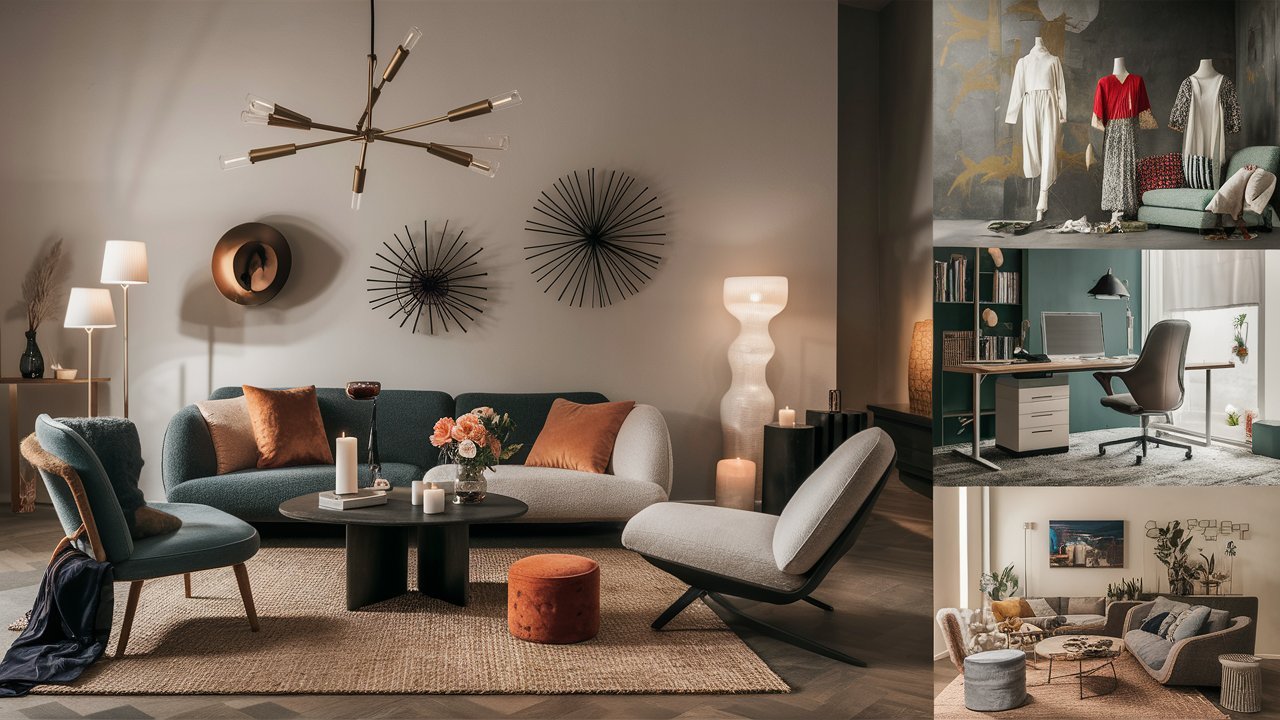
Ever walked into a room or picked up an object and thought, “Wow, this just feels right”? It’s not about fancy materials or big spending. It’s that smooth, complete vibe where nothing looks out of place. That’s Acamento in action – the final touch that turns good into great.
Acamento is all about giving things that last polish, whether it’s a home, a piece of furniture, or even your daily work. In this guide, I’ll break it down simply, share real examples from my life, and show you how to use it yourself. No jargon, just clear steps anyone can follow.
Acamento Meaning Explained Simply
Acamento comes from the Portuguese word “acabamento,” which means finishing or completion. Think of it as the step where you make something look and feel done right. It’s not just surface stuff; it’s about care that makes everything better.
In everyday terms, Acamento means taking extra time on the details after the main work is over. A builder puts up walls, but Acamento is painting them smooth, adding trim, and making sure corners meet perfectly. A cook makes a meal, but Acamento is plating it neatly with a garnish that ties colors together.
I’ve seen this in my own home projects. Once, I built simple shelves from scrap wood. They worked fine, but looked rough. I spent an hour sanding edges, adding a clear coat, and hanging them straight. Suddenly, guests complimented them like they were store-bought. That switch happened because of Acamento – those final refinements that make average feel premium.
People often confuse it with perfectionism. Acamento isn’t chasing flawless; it’s practical finishing that boosts value and joy. You do 90% of the work fast, then slow down for the last 10% that shines.
Origin and History of Acamento
The roots go back to craftsmanship in Europe, especially Portugal and Spain. Artisans knew raw materials needed protection and beauty. Wood warps without sealant. Metal rusts without polish. Stone cracks without grout.
In old workshops, the “finishing room” was sacred. Workers there buffed, varnished, and inspected. One flaw meant rework. This mindset spread to colonies and trade routes, influencing global building and design.
Today, Acamento lives in modern fields. Car makers apply clear coats for shine and scratch resistance. Fashion brands press seams for that crisp look. Even software teams do “polish passes” before launch, fixing tiny bugs for smooth user feel.
From my experience in Pakistan, where construction booms in places like Faisalabad, I’ve noticed local masons skipping finishes to save time. Homes end up with uneven plaster or leaky grout. But those who invest in Acamento – like proper tile edging or sealed woodwork – get homes that last decades without big repairs. It’s a lesson from history: finish well, live better.
Why Acamento Matters in Daily Life
Skipping Acamento costs more long-term. Rough edges snag clothes. Uneven paint peels fast. Half-done work erodes trust. But done right, it builds pride and saves money.
Take value: A basic table sells for $50. Add smooth sanding, even stain, and protective oil – now it’s $150 because it looks and feels professional. Buyers sense quality subconsciously.
Emotionally, Acamento calms the mind. Cluttered spaces stress us. Polished ones relax. Studies show tidy environments boost focus and mood. That’s why hotels spend on crisp linens and spotless fixtures – it’s Acamento creating luxury feel.
In work, it’s huge. I once rushed a report with typos. Boss overlooked ideas because of sloppy format. Next time, I proofread, bolded key points, and added clean charts. Feedback flipped to praise. Acamento turns effort into results.
For beginners, start small. Wipe counters after cooking. Fold clothes neatly. These habits build the mindset.
Acamento in Home Design and Architecture
Homes scream Acamento or lack of it. Bare concrete walls feel cold. Finished ones invite touch.
Key steps include:
-
Wall finishing: Plaster smooth, prime, then two paint coats. Add texture like stipple for depth.
-
Floor work: Level subfloor, lay tiles straight, grout fully, seal against stains.
-
Trim details: Baseboards hide gaps. Crown molding adds elegance. Paint them to match or contrast.
-
Door and window frames: Caulk edges, sand hinges for quiet open-close.
In Pakistani homes, Acamento shines in features like jharokhas (niches) with mirrored backs or marble borders on floors. I renovated my lounge last year. Instead of plain paint, I added wood paneling with routed edges and soft LED strips. Cost little extra, but transformed the space from basic to boutique.
Common mistakes: Rushing grout – leads to cracks. Skipping sealant – floors stain easy. Pros advise 20% budget for finishing. It pays back in durability and wow factor.
Lighting matters too. Recessed spots with diffusers give even glow. No harsh shadows. Fixtures with frosted glass feel softer.
Outdoor Acamento: Seal fences against rain. Edge lawns crisp. These make yards maintenance-free.
Furniture and Product Finishing with Acamento
Furniture lives or dies by finish. Raw wood splinters. Finished wood warms hands.
Process basics:
-
Sand progressively: Coarse grit removes rough, fine grit smooths.
-
Stain for color depth.
-
Seal with polyurethane, oil, or wax. Oil nourishes wood naturally.
-
Buff for sheen levels: Matte hides fingerprints, gloss reflects light.
Types suit styles:
-
Matte: Modern, rustic kitchens.
-
Satin: Versatile for dining sets.
-
Gloss: Formal pieces.
I refinished an old teak table once. Stripped old varnish, sanded layers, applied Danish oil. Grain popped alive. Now it handles daily meals without scratches. Felt like new craftsmanship.
For metal: Powder coat for chip-proof color. Brush finish hides smudges.
Products like phones use nano-coatings for fingerprints. Bags get seam tape for strength.
Buy tip: Feel undersides. Smooth means full Acamento. Rough signals shortcuts.
Read Also: Teren Cill: Explained Meaning Usage and Beginner Guide
Acamento in Fashion and Garments
Clothes look cheap without finish. Pro garments have:
-
Clean seams: Overlocked or French seams prevent fray.
-
Even hems: No puckers.
-
Pressed lines: Sharp creases.
-
Quality tags hidden neatly.
Fabric treatments: Mercerized cotton shines soft. Waterproof sprays for jackets.
In markets like Lahore, tailors rush stitching. Result: Threads pop after washes. Good ones iron, trim loose ends, reinforce stress points.
My wife buys shalwar kameez. She checks lining smoothness and button shank length. Those details mean comfort all day.
Brands charge more for Acamento: Reinforced elbows on shirts last years.
Care at home: Steam wrinkles out. Brush lint. Store hung. Extends life.
Digital and Creative Acamento
Even non-physical needs it. Writers edit drafts thrice: Content, flow, polish.
-
Fix typos, vary sentences.
-
Align images, consistent fonts.
-
Read aloud for rhythm.
Videos: Color grade for mood. Balance audio. Add subtle transitions.
Websites: Mobile test every button. Consistent spacing. Fast load.
I design social graphics. Early versions busy. Acamento: Crop tight, match brand colors, add whitespace. Engagement doubled.
Apps: Smooth animations, intuitive icons. Feels premium.
Building an Acamento Mindset
Acamento is habit, not talent. Train by:
-
Asking “One more pass?” before done.
-
Checklist: Edges smooth? Colors balance? Functional test?
-
80/20 rule: Quick bulk, slow finish.
Benefits: Builds trust. Reduces rework. Boosts confidence.
Pitfalls: Overdo leads to paralysis. Aim 95% done.
In teams, assign “finisher” role. Fresh eyes catch misses.
From life: Finished my book manuscript rough. Six polish rounds made it publishable. Regret none.
Tools and Tips for Beginners
No need fancy gear. Basics:
-
Sandpaper assorted grits.
-
Clean brushes, drop cloths.
-
Level, measuring tape.
-
Sealants: Poly, oil, wax.
Practice on scraps. Time yourself – finishes speed up.
Budget: 10-15% materials for best results.
Eco angle: Water-based finishes low odor, green.
Real-World Examples and Case Studies
IKEA flatpacks improve with user Acamento: Extra screws align doors perfect.
High-end: Versace homes marble veins matched precisely.
Local: Faisalabad textile mills shine with calendered fabrics – smooth, glossy finish boosts export prices.
Common Acamento Mistakes to Avoid
-
Rushing dry times: Peels later.
-
Wrong sheen: Gloss fingerprints galore.
-
Skipping prep: New layer flakes.
-
Ignoring scale: Tiny details lost in big rooms.
Fix: Step back, view from distance. Phone photo reveals flaws.
Future of Acamento in Modern World
Tech aids: 3D printers auto-finish layers. AI suggests color matches.
But human touch irreplaceable. Hand-sanded curves feel alive.
Sustainable finishes rise: Plant oils over chemicals.
In Pakistan, as urbanization grows, Acamento demand surges for efficient, beautiful homes.
Conclusion
Acamento transforms ordinary into memorable. It’s care invested in finishes that pay lifelong dividends. Start today – one project, one habit. Your spaces, work, and life will thank you. Embrace the art of completion.
FAQ
What is Acamento in simple words?
The final polish that makes things look complete, last longer, and feel great.
Where does Acamento come from?
Portuguese “acabamento,” from old craftsmanship traditions.
How do I apply Acamento at home?
Sand smooth, seal protect, align straight, clean final wipe.
Does Acamento cost much extra?
Usually 10-20%, but saves repairs and boosts value.
Can Acamento help my work or studies?
Yes, proofreading and polishing build credibility fast.