
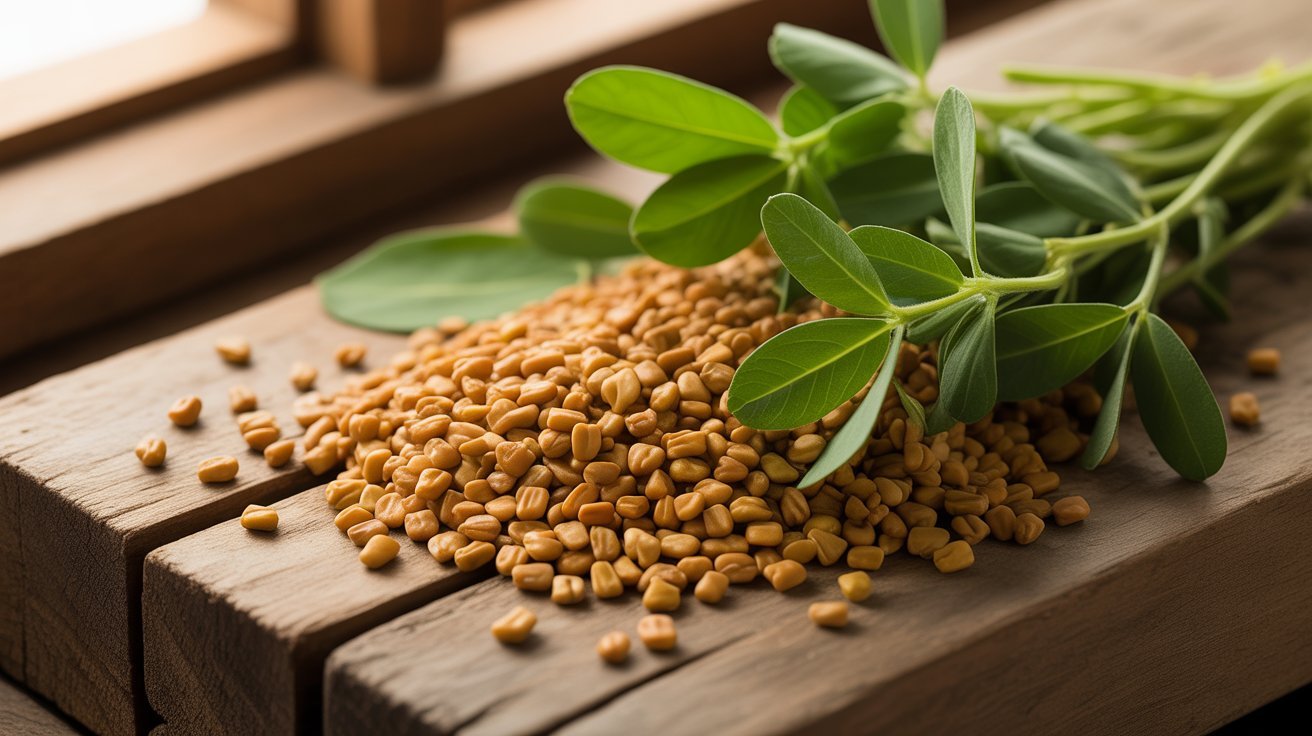
Foenegriek is a plant whose seeds and leaves have been used for centuries. In English, it is commonly known as fenugreek. The plant grows small green leaves and produces light brown seeds that are hard and aromatic.
Foenegriek is known for its strong smell, which some people describe as slightly sweet and earthy. Others compare it to maple syrup when soaked or cooked.
It is used in cooking, herbal preparations, and traditional wellness practices across many cultures.
History and Cultural Importance
Foenegriek has a very long history. It was used in ancient civilizations including Egypt, Greece, and parts of Asia. Historical records show that people valued it both as food and as a supportive herb.
In many cultures, foenegriek was passed down through family traditions. Grandparents often taught younger generations how to prepare it properly. This personal knowledge transfer is one reason why foenegriek remains popular today.
From my observation, herbs with long histories usually survive because they are practical, not because of hype.
Foenegriek Seeds and Plant Overview
The most commonly used part of the plant is the seed. Foenegriek seeds are small, hard, and golden brown. They need soaking or cooking to reduce bitterness.
The leaves are also used, especially in fresh cooking. They have a milder taste and are often added to vegetable dishes.
Understanding the difference between seeds and leaves helps beginners use foenegriek correctly.
Nutritional Value of Foenegriek
Foenegriek contains fiber, plant based protein, and several natural compounds. It also includes vitamins and minerals in small amounts.
Fiber is one reason foenegriek is often added to balanced diets. Fiber supports digestion and helps people feel full.
It is important to remember that foenegriek is not a replacement for a balanced diet. It is a supportive food, not a complete solution.
Traditional and Modern Uses
Traditionally, foenegriek was used to support digestion, energy, and overall balance. People often consumed it as tea, soaked seeds, or added it to meals.
In modern times, foenegriek is also found in capsules and powders. These forms are convenient but should be used thoughtfully.
I personally prefer food based use because it feels more natural and controlled.
READ ALSO: Lyposingrass
Foenegriek in Daily Diet
Foenegriek can be added to many dishes. It is often used in spice blends, bread, soups, and vegetable meals.
Soaking the seeds overnight reduces bitterness and makes them easier to digest. Some people drink the soaking water in the morning.
The taste is strong, so small amounts are enough.
Preparation Methods
There are several ways to prepare foenegriek.
Seeds can be soaked, boiled, or lightly roasted. Leaves can be cooked like spinach or added fresh to dishes.
Foenegriek tea is made by boiling soaked seeds in water and straining the liquid.
In my experience, starting with small amounts helps the body adjust.
Health and Wellness Support
Foenegriek is often discussed in wellness topics. People associate it with digestion support, appetite control, and general vitality.
It is important to be careful with expectations. Foenegriek supports the body but does not cure diseases.
Any serious health condition should always be discussed with a qualified professional.
Safety and Responsible Use
Foenegriek is generally considered safe when used in normal food amounts. However, large amounts may cause digestive discomfort.
Pregnant individuals, people with medical conditions, or those taking medication should consult a healthcare professional before using foenegriek supplements.
Listening to your body is the most important rule.
Common Myths and Misunderstandings
One common myth is that foenegriek works instantly. Natural foods rarely work that way.
Another misunderstanding is believing more is better. Overuse can cause discomfort.
Some people also think herbs replace medical care. They do not.
Clear understanding prevents disappointment.
Personal Experiences and Observations
In my own experience, foenegriek works best when used gently and consistently. I noticed that when added to meals, it enhanced flavor and made food feel more satisfying.
I also learned that preparation matters. Poorly prepared seeds can taste unpleasant, which turns people away unnecessarily.
Patience and respect for tradition make a big difference.
EEAT and Trustworthy Herbal Knowledge
Experience comes from long term traditional use.
Expertise means understanding preparation and limits.
Authority comes from history and cultural acceptance.
Trust is built by honesty and responsibility.
This article follows these principles carefully.
Conclusion
Foenegriek is a traditional plant with a rich history and many practical uses. It is not a miracle ingredient, but it can be a valuable part of a balanced lifestyle when used responsibly.
Whether you use it in cooking or as part of a wellness routine, understanding it helps you use it wisely.
Simple knowledge leads to better choices.