
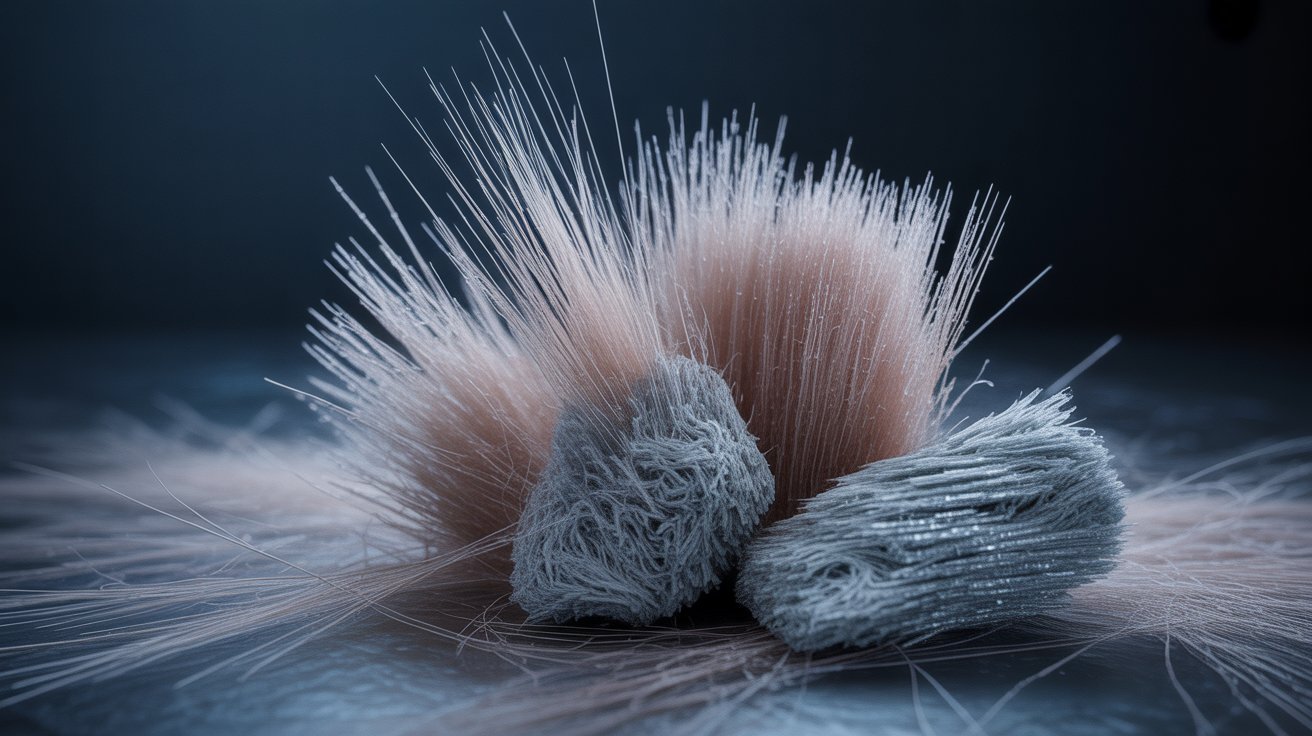
Asbestlint is a term that often appears in discussions about old buildings, industrial history, and material safety. Many people hear the word and feel worried, while others do not fully understand what it means. I first came across this term while reading a renovation report for an older factory building, and it immediately raised questions about safety and responsibility.
This article explains everything clearly and calmly. The goal is not to create fear, but to build understanding. When people understand materials like this, they make better and safer decisions.
What Asbestlint Is
Asbestlint refers to a type of tape or strip that contains asbestos fibers. In the past, manufacturers used it mainly for insulation and sealing. It was valued because it could resist heat, fire, and chemical damage better than many other materials available at the time.
The word itself combines asbestos with the idea of a band or strip. This explains its form and purpose.
Origin and Historical Background
During the twentieth century, industries searched for materials that could handle extreme conditions. Asbestos seemed like a perfect solution. It was cheap, strong, and resistant to fire. Asbestlint became popular in factories, ships, power plants, and older buildings.
At that time, people did not fully understand the long term health risks. Decisions were made based on performance, not safety.
Material Properties Explained Simply
Asbestlint contains fine mineral fibers that are strong and heat resistant. These fibers can withstand conditions that would destroy normal fabric or paper based materials.
The problem is not how it works, but what happens when those fibers become airborne.
Common Industrial Applications
Industries used this tape to seal pipes, boilers, and machinery. It also appeared in electrical insulation and construction joints. Many older buildings still contain it hidden behind walls or equipment.
Most people never noticed it because it looked harmless.
Asbestos and Human Health
Medical research later discovered that inhaling asbestos fibers can cause serious health problems. These fibers are tiny and sharp. When they enter the lungs, the body cannot remove them easily.
Over time, this can lead to severe illness.
Read Also: Rgarrpto
Why Asbestlint Is Considered Dangerous
The danger comes from damage or disturbance. When the material stays intact, the risk is lower. When it breaks, ages, or is disturbed, fibers can be released into the air.
This is why old materials deserve special attention and respect.
Exposure Risks in Old Buildings
Many schools, factories, and residential buildings constructed decades ago may still contain asbestos based materials. Renovation or demolition increases risk if done without proper assessment.
I have seen renovation projects delayed simply because testing revealed hidden asbestos materials.
Legal Status and Regulations
Most countries now strictly control or ban asbestos use. Regulations require professional handling and disposal. These laws exist to protect workers, residents, and the environment.
Ignoring these rules can result in serious legal and health consequences.
Environmental Impact
Asbestos does not break down naturally. Improper disposal can contaminate soil and air. Responsible management is essential to prevent long term damage.
Environmental safety is part of public health.
Modern Alternatives
Today, safer materials replace asbestos based products. Fiberglass, ceramic fibers, and other heat resistant options offer similar performance without severe health risks.
This shift shows progress in material science and safety awareness.
Public Awareness and Education
Education plays a key role. Many accidents happen due to ignorance, not intention. Clear information helps people recognize risks and act responsibly.
Public awareness campaigns have reduced exposure significantly.
Personal Observation and Perspective
From my perspective, the biggest lesson is how knowledge changes decisions. What once seemed useful is now avoided. This reminds us that safety standards evolve for a reason.
Respecting that evolution protects lives.
EEAT and Trust Factors
Experience comes from real world incidents. Expertise comes from medical research. Authority comes from health organizations. Trust comes from transparency and regulation.
This topic demands responsibility more than opinion.
Common Myths
Some believe asbestos is only dangerous in large amounts. Others think old materials are harmless. Both ideas are incorrect.
Risk depends on exposure and condition.
Responsible Handling Awareness
This article does not promote handling or removal. Any suspected material should be assessed by professionals. Awareness is the first step toward safety.
Doing nothing is sometimes safer than doing something incorrectly.
Conclusion
Asbestlint is part of industrial history, not modern practice. Understanding what it is and why it matters helps protect health and the environment. Knowledge leads to safer choices and responsible actions.
Awareness is not fear. Awareness is protection.
Frequently Asked Questions
What is asbestlint
It is an asbestos containing tape used in older industrial and construction settings.
Is it still used today
No, modern regulations restrict or ban its use.
Why is it dangerous
It can release fibers that harm the lungs when disturbed.
Where might it still be found
In older buildings, factories, and equipment.
What should I do if I suspect it
Seek professional assessment and follow legal guidelines.