
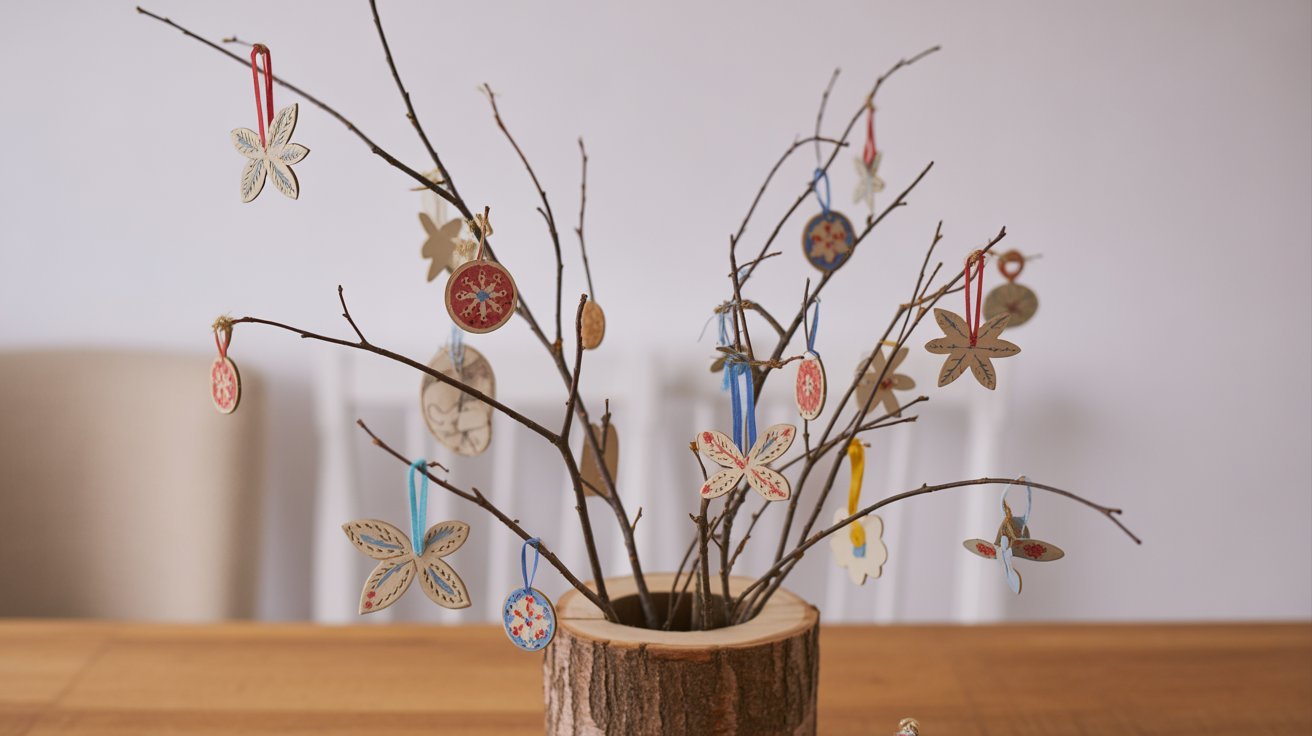
Pyntekvister are simple decorative branches that bring nature into your home. They may look like a small detail, but they can completely change the feeling of a space. I first noticed pyntekvister in Scandinavian interior design photos. The rooms felt calm, warm, and natural even though the decoration was minimal.
In a world full of plastic decor and fast trends, pyntekvister offer something different. They are quiet, natural, and timeless. This article explains what pyntekvister are, how to use them, and why they have become so popular in modern homes.
Everything is written in simple English so anyone can understand, even if you are new to home decoration.
What Are Pyntekvister
Pyntekvister are decorative branches used to style homes, tables, walls, and events. The word comes from Scandinavian languages and directly relates to branches used for decoration.
They can be real branches collected from nature or artificial branches made to look natural. People use them in vases, hang decorations from them, or place them as standalone pieces.
Pyntekvister are not loud decorations. They are subtle and elegant. They work best when you want a calm and natural look.
History and Cultural Background
Pyntekvister have deep roots in Nordic and Scandinavian culture. In these regions, nature plays a big role in everyday life. Long winters and limited daylight make people value natural elements inside their homes.
Traditionally, branches were used during seasonal celebrations, especially in spring and winter. Over time, this practice moved from seasonal use to everyday home styling.
Modern interior design adopted pyntekvister because they fit perfectly with minimalist and natural design trends.
Types of Pyntekvister
There are two main types of pyntekvister: natural and artificial.
Natural pyntekvister are real branches. These can come from birch, willow, cherry, or other trees. They often have a raw and organic look.
Artificial pyntekvister are made from plastic or fabric but designed to look realistic. Some are very high quality and hard to distinguish from real branches.
Both types have their place depending on your needs and lifestyle.
READ ALSO: Pabington
Natural vs Artificial Pyntekvister
Natural pyntekvister feel authentic. They connect your home with nature. I personally love the slight imperfections in real branches. Each one is unique.
However, natural branches require care. They can dry out, shed small pieces, or change color over time.
Artificial pyntekvister are low maintenance. They last longer and are easy to clean. For people with allergies or busy schedules, artificial options are practical.
In my experience, a mix of both works best. Natural branches for special spaces and artificial ones for long term decoration.
How to Decorate with Pyntekvister
Decorating with pyntekvister is simple. A tall vase with a few branches can become the main focus of a room. The key is not to overcrowd the space.
On tables, small branches work well as centerpieces. You can add lights, ornaments, or keep them plain.
Pyntekvister can also be used on walls. Hanging lightweight branches adds texture without making the room feel heavy.
The beauty of pyntekvister is their flexibility. You can change them with the seasons or keep them simple all year.
Seasonal Decoration Ideas
In spring, pyntekvister with buds or light colors feel fresh and hopeful. Summer branches look great in bright rooms with natural light.
Autumn pyntekvister can include warm tones and dried leaves. Winter branches often look beautiful with small lights or minimal ornaments.
I enjoy changing my pyntekvister slightly with each season. It keeps my home feeling new without buying a lot of decorations.
Benefits of Using Pyntekvister
Pyntekvister offer many benefits. They create a calm atmosphere.
Emotionally, natural elements make a home feel more welcoming. I notice that guests often comment on how peaceful a room feels when pyntekvister are used.
They also fit well with many styles, from modern to rustic.
Personal Experience and Styling Advice
When I first used pyntekvister, I was unsure. I thought they might look too simple. But once placed correctly, they transformed the room.
My advice is to start small. One vase. One corner. Let the branches speak for themselves.
Do not over decorate. The strength of pyntekvister is simplicity.
Sustainability and Eco Friendly Decor
Pyntekvister support sustainable living, especially when natural branches are responsibly sourced. Using fallen branches instead of cutting fresh ones is a great option.
Artificial branches can also be sustainable if used for many years.
Choosing pyntekvister aligns with eco friendly values and conscious decorating.
Common Mistakes to Avoid
One common mistake is using too many branches. This makes the space look cluttered.
Another mistake is ignoring balance. The vase, branch height, and room size should match.
Lastly, avoid forcing pyntekvister into styles that do not suit them. They work best in calm and natural environments.
Conclusion
Pyntekvister are more than just decorative branches. They represent simplicity, nature, and thoughtful living. They bring beauty without noise and style without effort.
From personal experience, pyntekvister create a sense of peace that few decorations can match. They are timeless, flexible, and accessible to everyone.
If you want to refresh your home without stress, pyntekvister are a perfect place to start.
Frequently Asked Questions
What are pyntekvister used for
Pyntekvister are used for home and event decoration, often placed in vases or used as natural design elements.
Are pyntekvister natural
They can be natural or artificial depending on preference.
Do pyntekvister fit modern homes
Yes, they are very popular in modern and minimalist interiors.
Are pyntekvister eco friendly
Natural branches are eco friendly when responsibly sourced.
Can beginners decorate with pyntekvister
Yes, they are one of the easiest decoration elements to use.